
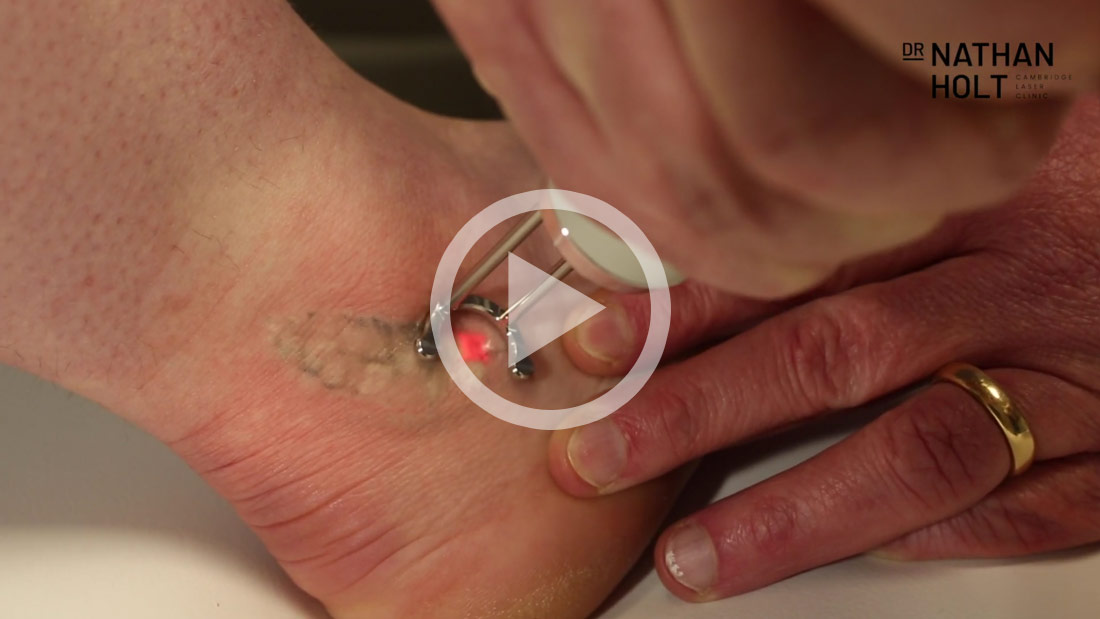
A tattoo is a form of body modification where a design is made by inserting ink into the lower layers of the skin (dermis).
Having a tattoo may initially seem like a great idea, but over time you may regret the decision. Over 20% of British adults have at least one tattoo increasing to over 30% amongst those aged 18-29 years.
Recent academic studies have concluded that significant numbers (approximately one third) regretted their tattoo.
For over 20 years, leading plastic surgeons and dermatologists have regarded laser as the optimal gold standard method for the removal of unwanted amateur and professional tattoos.
Clients usually request complete removal of a tattoo.
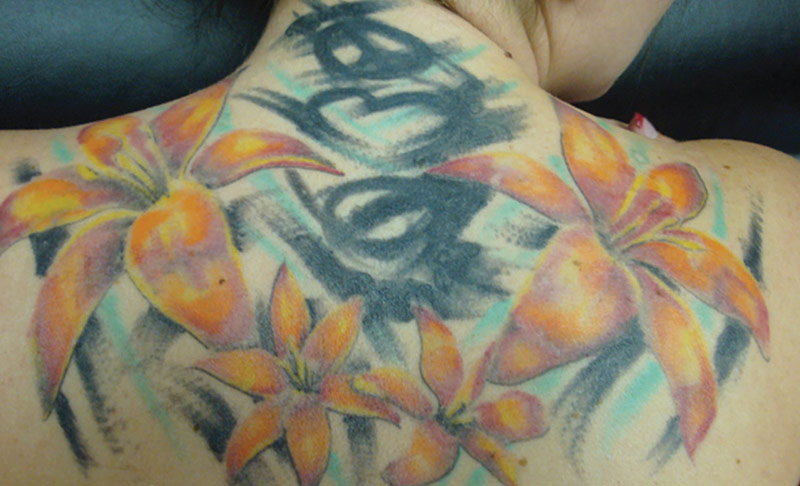
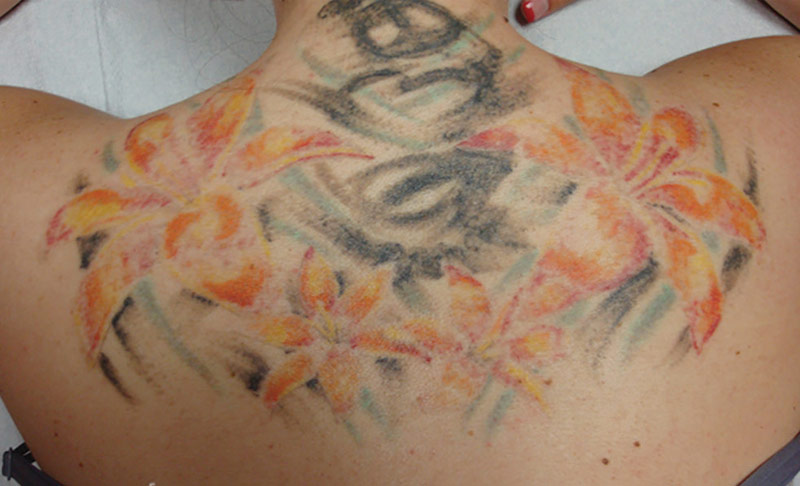
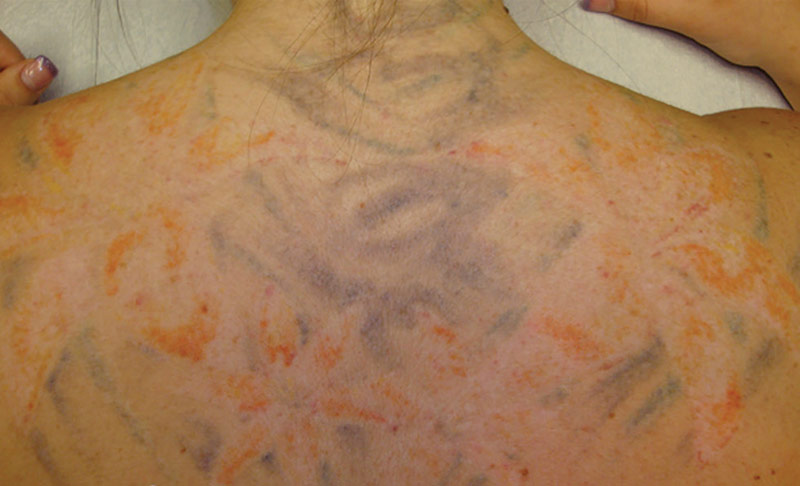
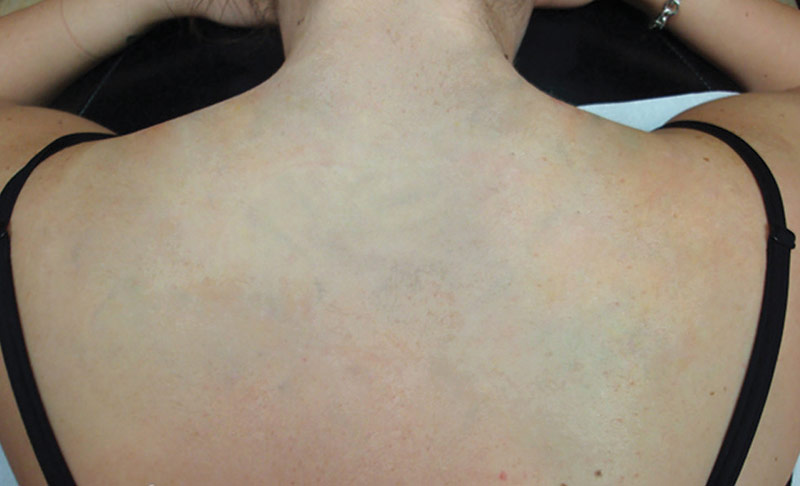
No single laser wavelength can remove all types of tattoo ink. The removal of a multi-coloured tattoo requires at least three wavelengths of laser light to ensure superior results.
Why Choose Cambridge Laser Clinic for Laser Tattoo Removals?
Cambridge Laser Clinic is the only clinic in the UK to offer the Quanta Discovery Pico Plus laser. This technology is the world’s most powerful tattoo removal platform uniquely boasting 3 full power primary wavelength laser systems in both Pico and Q switched modes to ensure optimal results. A common misconception is that PicoSure is the most advanced laser platform – our laser is 5 times more powerful.
Quanta Discovery Pico Plus delivers the following :
- Pico (450ps) & Active Q switched (6ns) Nd Yag 1064nm both in traditional and fractional modes for the removal of black, dark blue, white, grey and brown ink
- Active Q switched (30ns) Ruby 694nm both in traditional and fractional modes for the treatment of black, sky blue, yellow and green
- Pico (370ps) & Active Q switched (6ns) KTP 532nm both in traditional and fractional modes for the treatment of red, dark blue, orange and purple ink
Lasers used for Tattoo Removals
Not all tattoo removal lasers are the same and our advanced systems deliver the following characteristics (the importance of these features is described in depth within the detailed explanation section of this website):
- Pico with a fixed pulse width of 370ps (KTP 532nm) or 450ps (Nd Yag 1064nm) with max output of 800mj generated using seed laser light not inferior electronic fast Q switching (click here to see the difference)
- Active Q switched delivering a single high-powered pulse in durations of less than 6 nanoseconds – not inferior cheap passive Q switching (click here to see the difference)
- Deliver in excess of 1 joule of energy per pulse in active Q switched modes
- Very large square spot sizes up to 8mm
- All treatments are delivered with forced cold air skin cooling reducing discomfort and skin damage
- We can offer fractionated Q switched laser treatments in all wavelengths resulting in a reduced number of treatment sessions
Sometimes partial fading of a tattoo is required enabling modification of artwork at a later date.

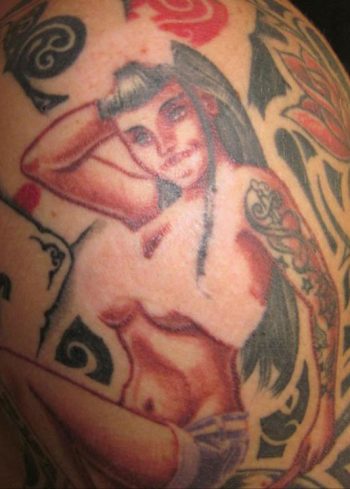
It is estimated that our tattoo removal lasers are up to 10 times more effective and deliver up to 16 times more energy than cheap equipment commonly found on the high street. Countless fake, cheap imported (often made in Developing Countries) knock offs of both Pico (re-packaged old Q switched technology) and Q switched (passively generated) exist and less than reputable clinics pass them off as advanced technology.
Because we offer the entire range of tattoo removal lasers, we can truly recommend the option that is best suited to your needs. Whatever we recommend, you can be assured that we are not using it because it is all we have to offer but because it is the best choice for you.
Our expert medical team has in excess of 30 years laser experience and have completed more than 150,000 successful treatments. Rest assured you are in safe hands. All procedures at Cambridge Laser Clinic are performed by fully qualified doctors, nurses and practitioners.
To ensure the highest ethical standards are maintained at all times, staff at Cambridge Laser Clinic are never offered bonus incentives to sell treatments.
Although medical laser clinics are no longer regulated by the CQC (Care Quality Commission), we continue to adhere to the strict standards that were in the past mandatory under government legislation. This is the best indicator currently available that Cambridge Laser Clinic is trustworthy.
Why not call our team of experts today for your initial consultation.
FAQs
How does laser tattoo removal work?
Laser tattoo removal works by delivering short, high-energy pulses of light into the skin, which are absorbed by the tattoo pigment. This energy shatters the ink particles into tiny fragments. Over the following weeks, the body’s immune system naturally clears these fragments away, causing the tattoo to fade. Multiple wavelengths are used to target different ink colours, and advanced technologies, such as Pico and active Q-switched lasers, allow for deeper penetration, more precise targeting and minimal damage to the surrounding skin.
Do laser tattoo removals hurt?
Most people describe the sensation as similar to the snap of an elastic band against the skin. While the treatment is not completely pain-free, it is typically very tolerable and much quicker than getting a tattoo. To improve comfort, high-quality laser clinics use additional measures such as chilled air cooling or topical numbing to reduce heat and sensitivity throughout the session.
How long does it take to remove tattoos with lasers?
Tattoo removal is a gradual process, as the body needs time to break down and clear the shattered ink particles after each session. Most tattoos require a series of treatments spaced around 6 to 8 weeks apart. The total number depends on factors such as ink colours, depth, density, skin type and the quality of the original tattoo. Black ink responds the fastest, while multi-coloured tattoos often need more sessions. Advanced systems like high-quality Pico lasers may reduce the overall number of sessions required.
Are tattoo removals safe?
Yes, when performed with medical-grade laser systems by trained professionals, tattoo removal is a very safe procedure. Modern Pico and active Q-switched lasers allow precise targeting of pigment while minimising heat damage to the surrounding skin. Temporary side effects such as redness, swelling or frosting are common and expected.