The September Skin Reset: Why Autumn Is the Start of “Laser Season” for Resurfacing and Scar Removal
September is often when changes in the skin become easier to notice. As a summer…

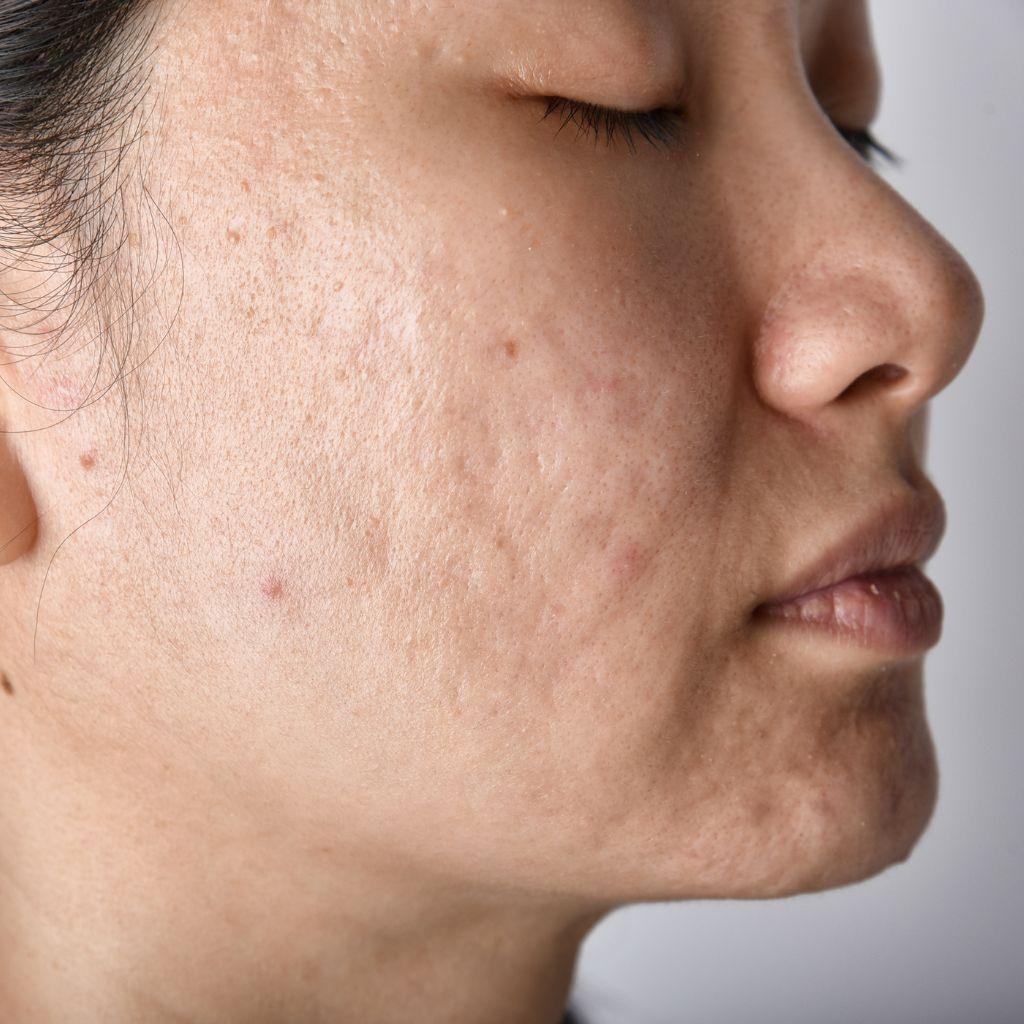
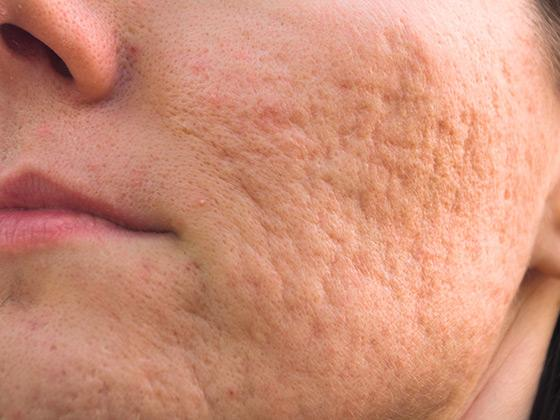
Acne may settle, but the changes it leaves behind can be much harder to ignore. Indentations across the cheeks, uneven texture and deeper pits can remain long after active breakouts have stopped, sometimes becoming more noticeable in certain lighting or as the skin changes with age.
This is where laser resurfacing can have a role. Rather than treating the colour of a scar alone, resurfacing is used to improve the physical texture of the skin and encourage remodelling within areas affected by scarring.
The CO₂ laser is one of the resurfacing technologies we use at Cambridge Laser Clinic. Our CO₂ 10,600nm laser can be used for medium-depth and deeper resurfacing, making it particularly relevant when treating more established textural changes and acne scars.
But does CO₂ laser work for acne scars? For appropriately selected scars and skin types, it can produce a meaningful improvement. The more important question is whether CO₂ is the right treatment for your particular scars, because acne scarring is rarely as simple as choosing one laser and treating the whole face in exactly the same way.
Not every mark left by acne is technically a scar. Flat red or brown marks can remain after spots have healed. These are changes in colour rather than depressions in the skin and may require a different treatment approach. True acne scarring develops when inflammation damages the deeper skin and the subsequent healing process changes its structure.
This can leave several different patterns:
In practice, many patients do not have one neat category. We often see several scar types across the same face.
That matters because the treatment that works well for a broader boxcar scar may not be the best way to approach a narrow ice-pick scar or a scar that is physically tethered beneath the skin. You can read more about these differences in our guide to the main types of scars.
The CO₂ 10,600nm laser is an ablative resurfacing laser. It removes controlled amounts of damaged skin while triggering a healing response that encourages collagen remodelling. As the skin repairs, acne scars can become shallower, their edges softer and the overall skin surface smoother and more even.
At Cambridge Laser Clinic, CO₂ resurfacing can be performed in traditional or fractional modes. Traditional resurfacing treats the entire selected surface, while fractional laser resurfacing creates microscopic treatment columns with areas of surrounding skin left untreated to support healing.
The aim is not to simply “remove” a scar. Acne scars represent structural changes within the skin, so it is more accurate to talk about improvement rather than complete removal. CO₂ laser resurfacing works by improving the transition between scarred and surrounding skin and encouraging remodelling beneath the surface.
How much improvement is possible depends on the type and severity of scarring. Rolling and boxcar scars, for example, may respond well to fractional resurfacing, while very deep ice-pick scars can require a more targeted approach.
This is why treatment depth, laser settings and resurfacing mode are selected individually. Two people may both have acne scarring but need very different treatment plans to achieve the best improvement possible for their skin.
CO₂ laser resurfacing can be particularly useful for boxcar and rolling acne scars.
Cambridge Laser Clinic uses both CO₂ 10,600nm and Er 2940nm lasers in traditional and fractional modes for these scar patterns.
However, scar shape matters. Very deep, narrow ice-pick scars may not respond optimally to resurfacing alone because much of the scar extends vertically into the skin. Cambridge Laser Clinic uses TCA CROSS for this type of scarring. Small amounts of TCA are placed specifically into the scar to stimulate a local repair and collagen response.
A tethered or anchored scar creates another problem. Here, the skin is attached to deeper structures by scar tissue, which can cause visible puckering or indentation. Cambridge Laser Clinic identifies surgical subcision as the optimal approach for tethered scars because it releases these adhesions.
This is why simply asking “Does CO₂ laser work for acne scars?” only tells part of the story. It works well for certain scars. For others, treating the underlying reason for the indentation first may make more sense.
Cambridge Laser Clinic offers two ablative resurfacing options: CO₂ 10,600nm and Er 2940nm.
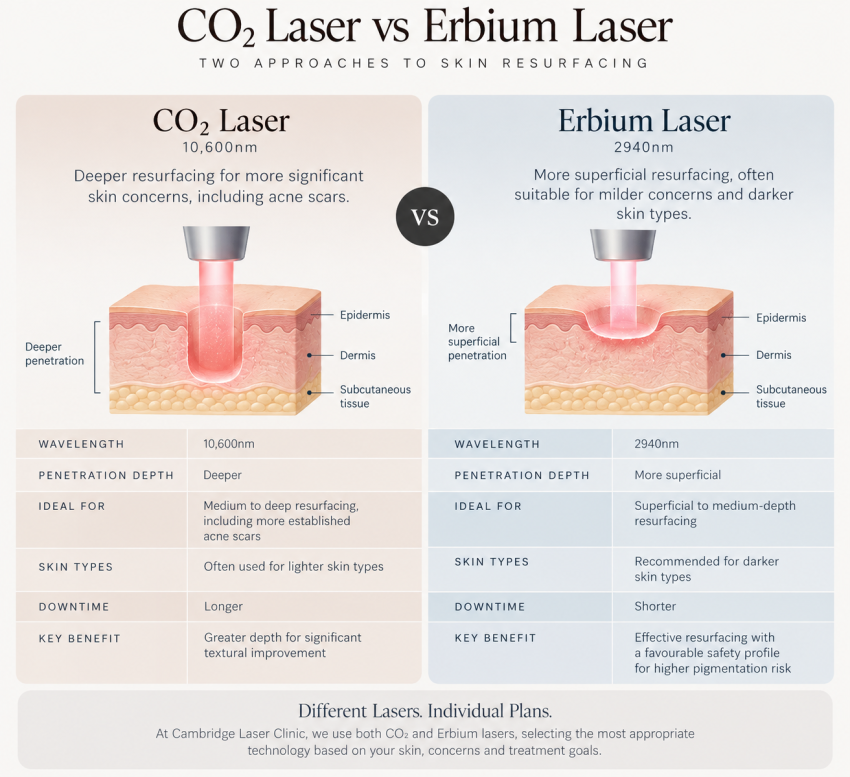
Choosing between Erbium and CO₂ is not about deciding which laser is “stronger” and therefore better. Sometimes the best treatment is the one that does enough without unnecessarily treating more deeply than required. Our blog on laser skin resurfacing explains more about how ablative resurfacing is used for different skin concerns.
CO₂ laser can be performed at different points in the year when clinically appropriate, but autumn and winter can be practical times to consider laser resurfacing because UV exposure is generally easier to limit than during peak summer.
October can therefore be a useful time to have acne scarring assessed, particularly if you have been waiting until after the summer. This does not make sun protection any less important. Following resurfacing, the skin needs careful protection from UV exposure as it heals, and holidays, outdoor activities and upcoming events should all be considered when planning treatment.
A consultation is also an opportunity to establish whether CO₂ laser is the right approach for your scars. We look at whether the scarring is superficial, deep or tethered, whether CO₂ or Er resurfacing is more appropriate, and whether individual scars may benefit from a different or combined approach.
This assessment is important because acne scarring is rarely one uniform problem. Understanding what has created the uneven texture allows treatment to be planned around the individual scars, while also setting realistic expectations for improvement, recovery and downtime.
The age of a scar does not by itself determine whether resurfacing can be considered. Established acne scars can still be assessed for treatment. Scar type, depth, skin type and the condition of the surrounding skin are more useful factors when deciding which approach may be appropriate.
Ablative laser resurfacing carries risks, including changes in pigmentation, prolonged redness, infection and unwanted scarring. Appropriate patient selection, controlled treatment and careful aftercare are therefore important, particularly when more intensive resurfacing is being considered.
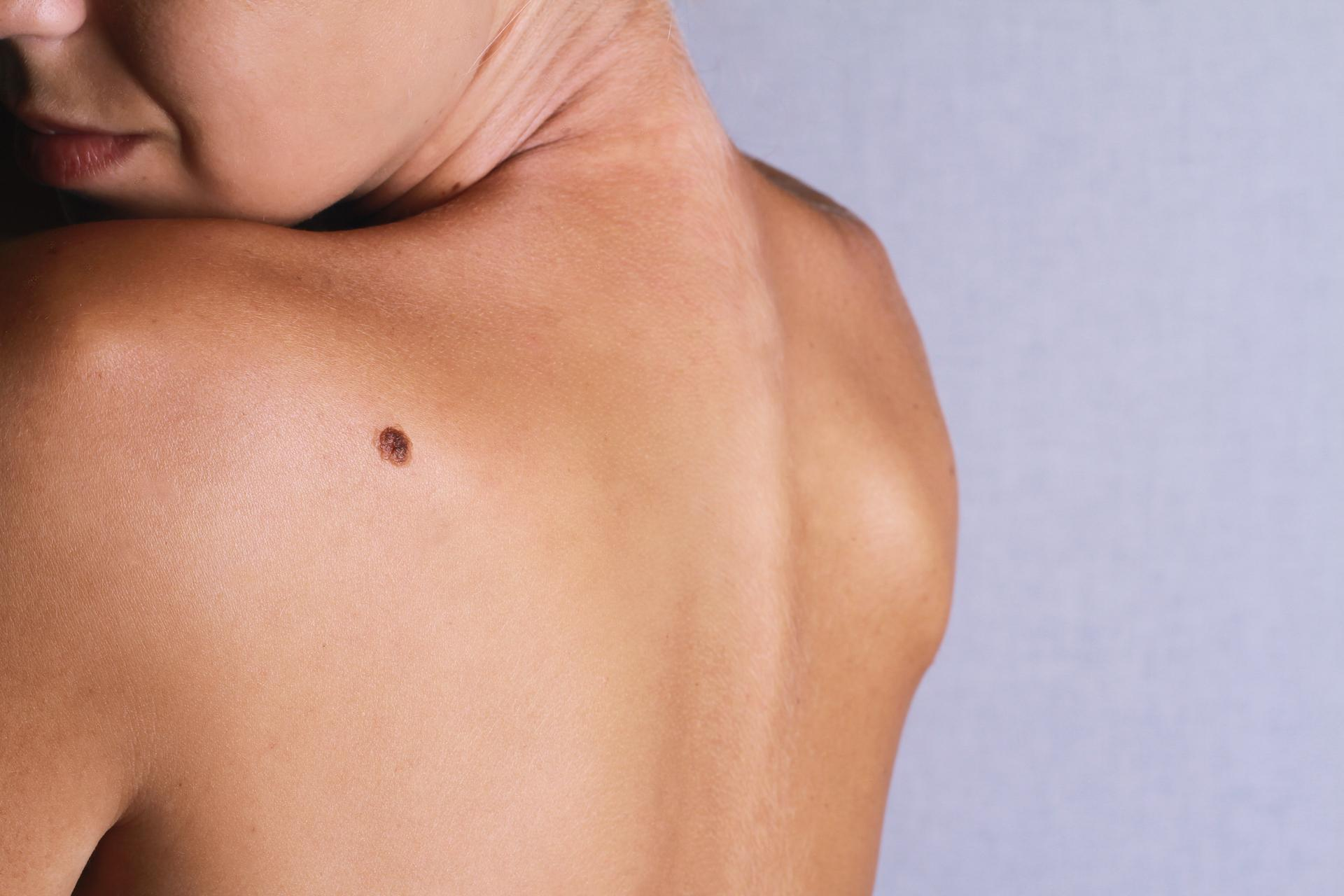
Acne scarring can occur on the chest, shoulders and back as well as the face. Whether ablative resurfacing is appropriate depends on the location, scar characteristics and how that particular area of skin is expected to heal, so these areas need individual assessment.
Laser resurfacing is primarily being considered here for the structural scarring left behind by acne. If there is significant active or inflamed acne, this needs to be assessed as part of the consultation before planning scar treatment. You can find more information about the clinic’s approach to active acne treatment.
Resurfacing can improve overall skin texture as well as scarring, so patients may notice improvement in other textural irregularities within the treated area. The treatment plan should still be based on the main concern and the depth of resurfacing genuinely required.
At Cambridge Laser Clinic on Brooklands Avenue in Cambridge, we can assess your acne scarring and determine whether CO₂ laser resurfacing, Er resurfacing or another scar-specific approach available at the clinic is appropriate.
If you are considering treatment for acne scars in Cambridge or the surrounding areas, book a consultation to discuss the options available for your skin.