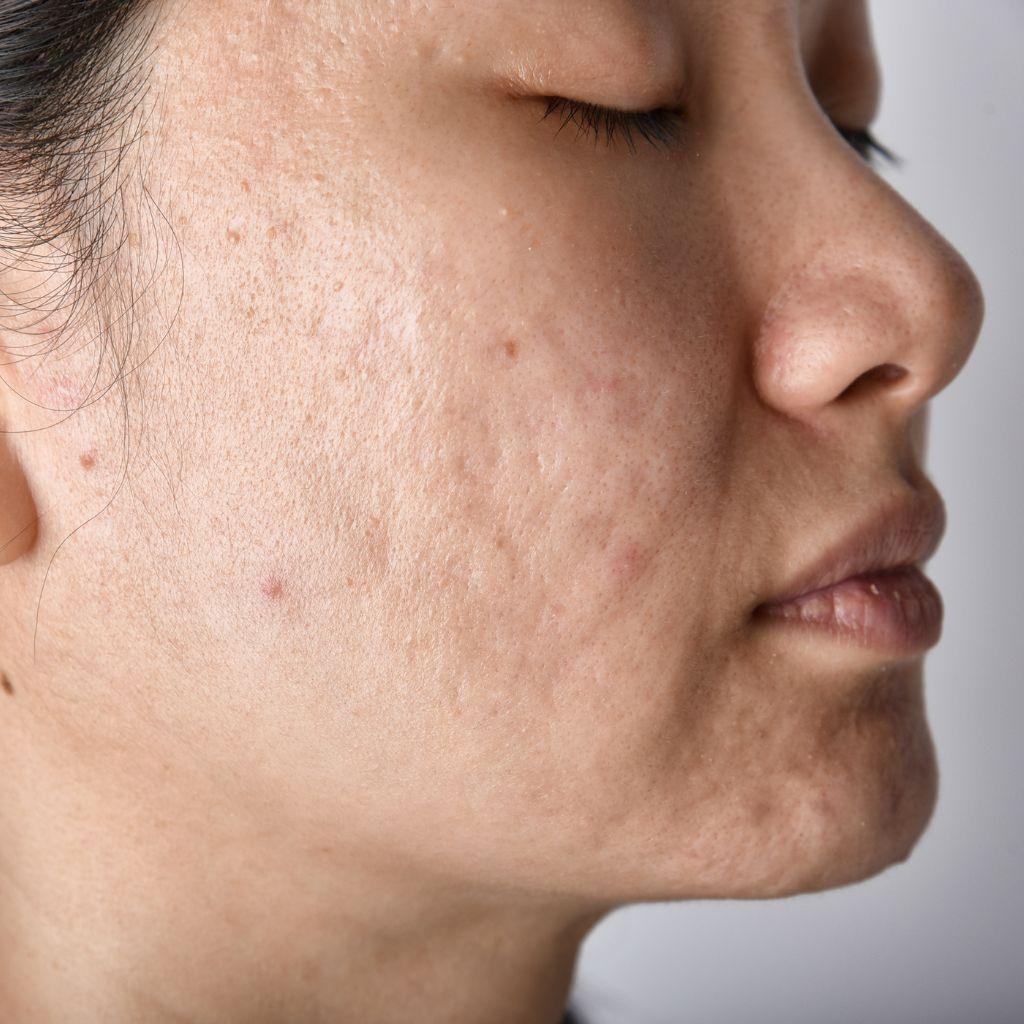
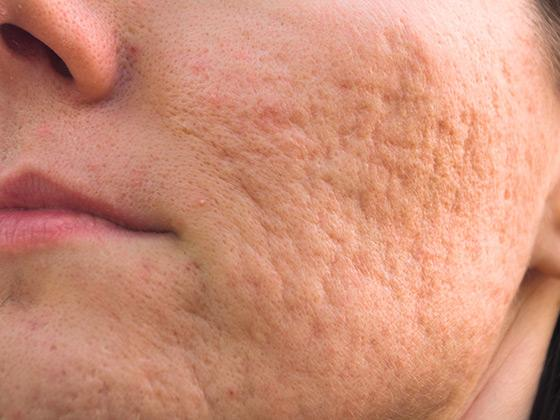
Acne may settle, but the changes it leaves behind can be much harder to ignore…
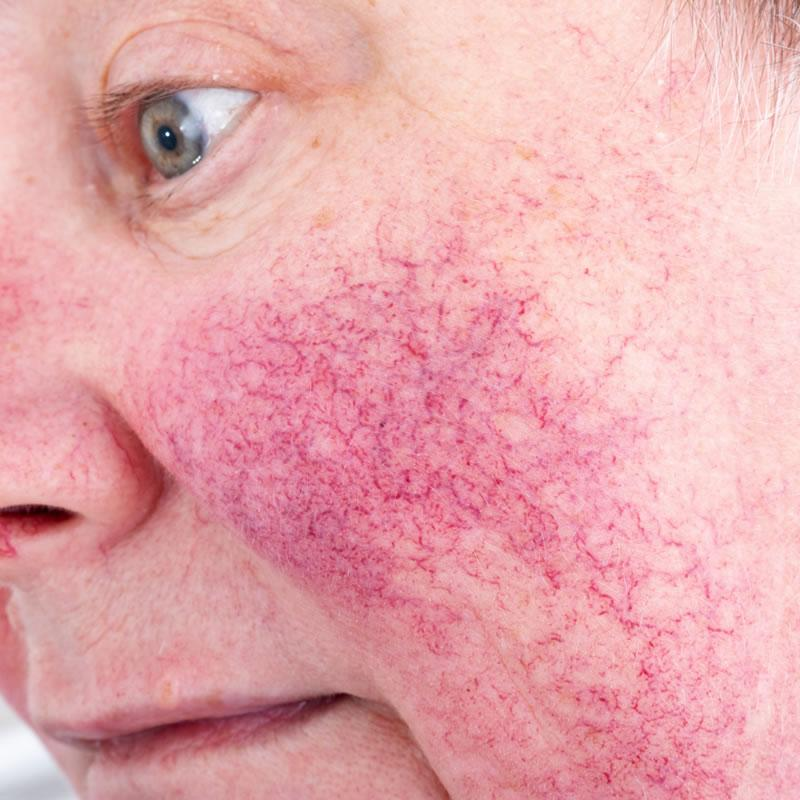
Rosacea vs Facial Thread Veins: Which Laser Treatment Is Right for Winter Redness?
Facial redness can become more noticeable during the colder months. Moving between cold outdoor temperatures and centrally heated rooms can trigger flushing, while wind and dry air may leave the skin feeling increasingly sensitive. For some people, the redness settles quickly. For others, it becomes a persistent concern, particularly around the cheeks and nose.
Two common causes are rosacea and facial thread veins. Although they can look similar and often occur together, they are not quite the same. Understanding the difference is important because it influences which laser treatment may be most appropriate.
At Cambridge Laser Clinic, we assess the pattern of redness, the condition of the skin and the presence of visible blood vessels before recommending treatment. This helps us identify what can realistically be improved and select the most suitable approach.
What Is the Difference Between Rosacea and Facial Thread Veins?
Rosacea is a chronic inflammatory skin condition that commonly affects the central face. It may cause persistent redness, episodes of flushing, sensitivity and, in some cases, small inflammatory spots or pustules. Symptoms can fluctuate in response to temperature changes, alcohol, spicy foods or certain skincare products.
Facial thread veins are small, dilated blood vessels visible close to the skin’s surface. They commonly appear as fine red or occasionally bluish lines around the nose, cheeks and chin. Unlike temporary flushing, these vessels tend to remain visible even when the skin is otherwise calm.
The distinction is not always straightforward, as people with rosacea can also develop thread veins, particularly when facial redness has been present for some time.
Why Does Facial Redness Often Become Worse in Winter?
Winter does not necessarily cause rosacea or thread veins, but it can make existing redness more noticeable.
Cold weather affects the small blood vessels responsible for regulating blood flow near the skin’s surface. When you move into a warm environment, these vessels may dilate, causing flushing. For someone with rosacea, this response can be particularly pronounced.
Central heating and low humidity can also contribute to dryness and irritation, while cold wind may aggravate sensitive skin. For patients with thread veins, these changes can make the surrounding redness more apparent, even though the vessels themselves are not necessarily changing.
This is why we consider how the skin behaves throughout the day, whether flushing occurs and whether individual blood vessels are visible when assessing facial redness.
Which Laser Treatment Is Best for Rosacea and Facial Thread Veins?
The most appropriate laser depends on whether the main concern is widespread redness, fine superficial vessels or larger, deeper thread veins.
At Cambridge Laser Clinic, we use several vascular laser technologies, allowing treatment to be tailored to the type and depth of the blood vessels involved.
V Beam 595nm Pulsed Dye Laser
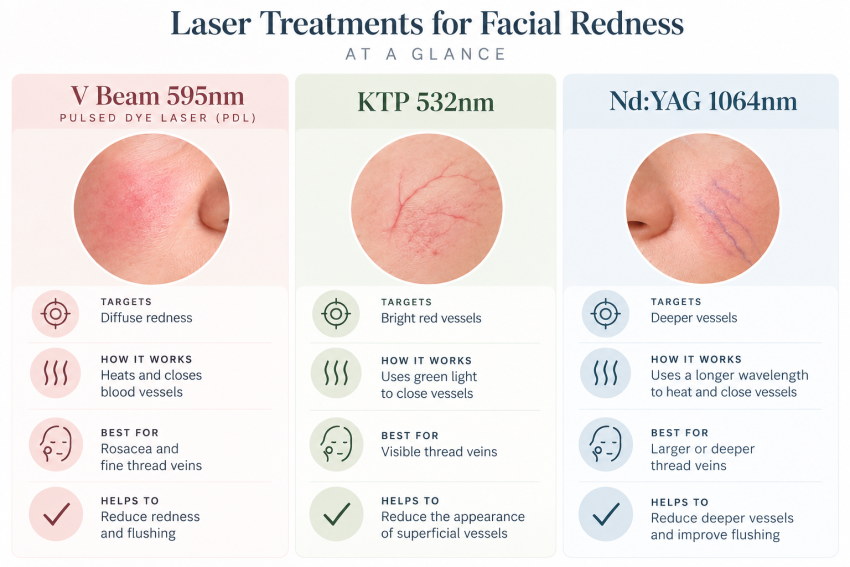
The V Beam Pulsed Dye Laser (PDL) 595nm is a principal treatment for rosacea-related redness and fine superficial blood vessels.
It delivers controlled pulses of light that are absorbed by the blood within unwanted vessels. This heats the vessels, causing them to close and gradually be broken down by the body.
V Beam is particularly useful for widespread facial redness and very fine thread veins, helping the skin appear clearer and more even in tone.
KTP 532nm Laser
The KTP laser uses green light that is readily absorbed by the blood in superficial red vessels. The heat causes these vessels to close, allowing the body to gradually clear them away.
It is particularly effective for clearly visible, bright red thread veins around the nose and cheeks.
Nd:YAG 1064nm Laser
The Nd:YAG laser uses a longer wavelength of light that can reach deeper beneath the skin’s surface. It heats the blood within larger or deeper vessels, encouraging them to close and gradually fade.
This makes it useful for selected deeper facial thread veins that may not respond as well to lasers designed for superficial vessels. It may also be considered for some patients experiencing rosacea-related flushing.
Can Rosacea and Facial Thread Veins Be Treated Together?
Yes. Rosacea and facial thread veins frequently overlap, so treating one without considering the other may leave some redness unresolved.
For example, a patient may have persistent background redness across the cheeks alongside several prominent vessels around the nose. V Beam may be selected to address the diffuse redness, while KTP or Nd:YAG treatment may be used for larger individual vessels.
This does not mean every laser is required. For milder cases, one technology may be sufficient. Where vessels vary in size and depth, a combined or staged approach may provide a more comprehensive result.
Treatment is therefore selected according to the vascular changes present, rather than simply whether the redness has been described as rosacea or thread veins.
How Can You Manage Winter Redness Between Treatments?
Laser treatment can improve visible blood vessels and persistent redness, but everyday skincare and trigger management remain important, particularly for patients with rosacea.
A few practical measures can help:
- Use a gentle, fragrance-free cleanser rather than harsh exfoliating products.
- Apply a moisturiser that supports the skin barrier, especially when central heating causes dryness.
- Wear broad-spectrum SPF 30 or higher throughout the year.
- Protect your face from cold wind and avoid sudden temperature extremes where possible.
- Identify personal flushing triggers, which may include hot drinks, alcohol, spicy foods or overheated rooms.
For patients experiencing inflammatory spots, irritation or persistent sensitivity, medical treatment may also be necessary. Laser treatment primarily addresses vascular symptoms and is not intended to treat every aspect of rosacea.
Frequently Asked Questions
Can Laser Treatment Permanently Remove Facial Thread Veins?
Individual vessels that respond successfully to laser treatment may remain closed. However, new thread veins can develop due to ageing, genetics, sun exposure or underlying conditions such as rosacea. Further treatment may therefore be needed in the future.
Does Laser Treatment Cure Rosacea?
No. Rosacea is a chronic condition, and there is currently no permanent cure. Vascular laser treatment can improve redness, flushing and visible blood vessels, but ongoing skincare and trigger management may still be necessary.
Is IPL Better Than Laser for Facial Redness?
IPL can improve certain types of mild diffuse redness, but it is not necessarily the preferred option for every patient. Cambridge Laser Clinic offers IPL alongside specialist vascular lasers and generally favours V Beam 595nm PDL for persistent diffuse redness and very fine vessels. The choice depends on the skin type, vessel characteristics and treatment objectives.
Can You Have Laser Treatment During a Rosacea Flare-Up?
Suitability depends on the nature and severity of the flare-up. If the skin is particularly inflamed, irritated or compromised, it may be appropriate to settle the inflammation before proceeding. This is assessed individually during consultation.
Take the Next Step Towards Clearer, Calmer Skin
Persistent redness, flushing and visible thread veins can be frustrating, particularly during the colder months. With the right assessment and treatment, however, it is possible to achieve a more even-looking complexion and reduce the appearance of unwanted blood vessels.
At Cambridge Laser Clinic, our specialist vascular lasers allow us to target different types of facial redness, with treatment tailored to your skin and individual concerns.
Whether you are considering laser treatment for rosacea or facial thread vein removal, our experienced team can help you understand your options and what results you can realistically expect.
Ready to address persistent facial redness? Book your consultation at Cambridge Laser Clinic and take the first step towards clearer, more comfortable skin.
Related Posts