The September Skin Reset: Why Autumn Is the Start of “Laser Season” for Resurfacing and Scar Removal
September is often when changes in the skin become easier to notice. As a summer…

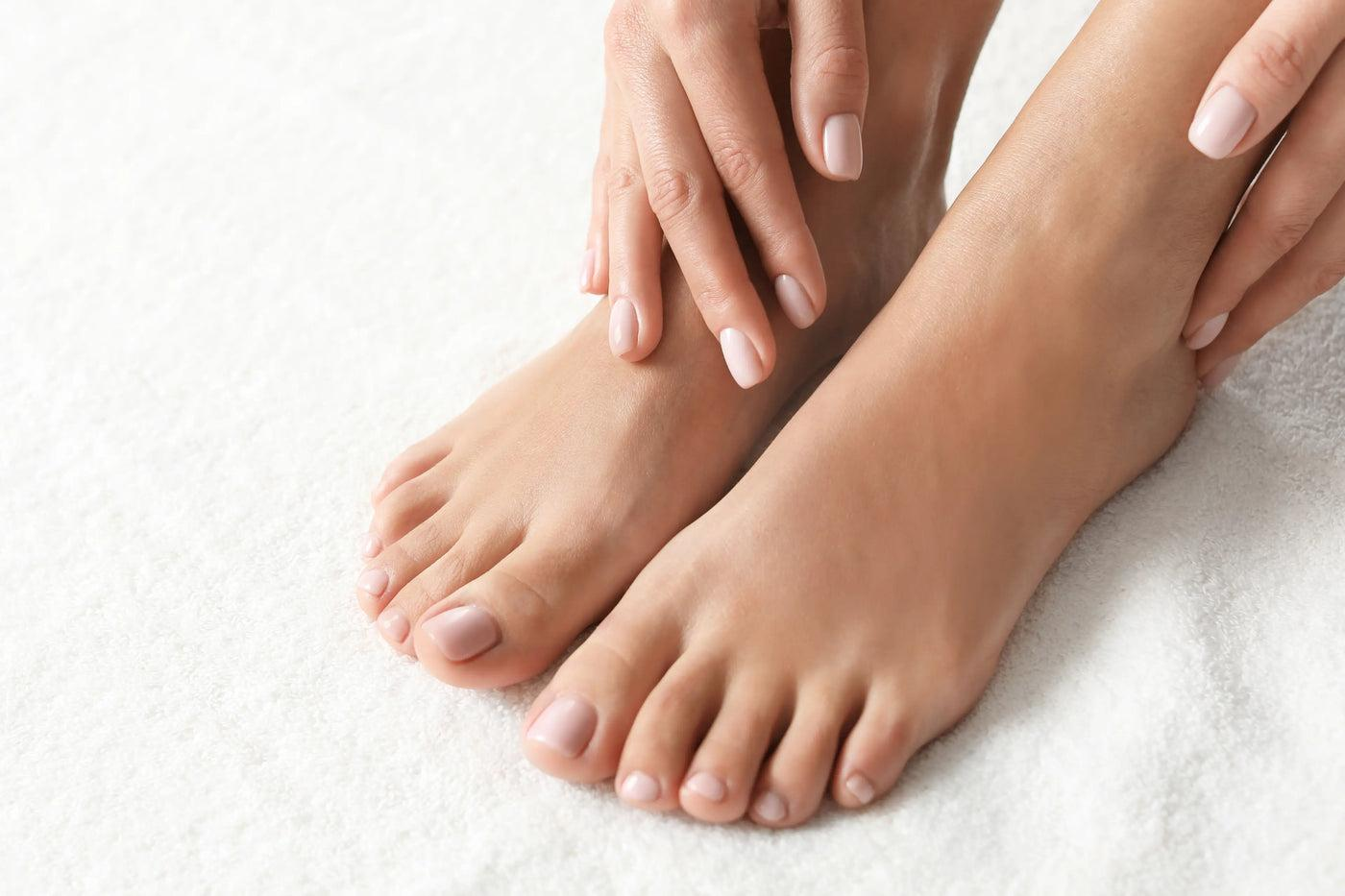
Foot health has become a much bigger focus within the aesthetics and wellness industry, particularly as patients increasingly look for treatments that improve both appearance and long-term skin and nail health. Medical pedicures, advanced foot treatments, and laser-based therapies are seeing growing demand, especially heading into spring and summer when sandals and holidays suddenly make nail concerns far more noticeable.
We often see patients who feel confident in every other aspect of their appearance but remain deeply self-conscious about their feet. Thickened, yellowed, brittle, or lifting toenails can quietly affect confidence for years, with fungal nail infections often being the underlying cause.
What makes the condition particularly frustrating is that most patients have already spent months trying pharmacy treatments, antifungal paints, and home remedies with very limited success. By the time they seek professional help, they are usually looking for something more effective and medically led.
This is why laser treatment for fungal nail infections has become increasingly popular at Cambridge Laser Clinic. Rather than simply disguising the problem, laser treatment targets the fungal infection itself in a far more precise and clinical way.
Fungal nail infections, also known as onychomycosis, occur when fungi begin growing within or underneath the nail structure.
The condition most commonly affects toenails because warm, enclosed footwear creates the ideal environment for fungal growth. Over time, the infection can gradually alter the appearance and structure of the nail.
Common signs include:
A common mistake patients make is assuming fungal nail infections are purely cosmetic. In reality, once the infection becomes established, the nail itself often struggles to grow normally. In more stubborn cases, surrounding skin irritation and athlete’s foot can also develop alongside the nail changes.
The longer the infection remains untreated, the more difficult it usually becomes to fully clear.
This is one of the most common frustrations we hear in clinic.
Many pharmacy products rely on topical antifungal paints or creams. These can sometimes help in very early or superficial cases, but fungal infections often sit deep beneath the nail plate where topical products struggle to penetrate effectively.
What tends to happen in more stubborn cases is that patients apply treatments consistently for months without seeing meaningful improvement because the infection itself remains protected underneath thickened nail tissue. The nail may temporarily appear slightly better on the surface, but the underlying fungal activity continues.
For milder cases we would usually assess whether topical treatments are still likely to be effective. However, once the nail becomes significantly thickened, distorted, or chronically infected, laser treatment is often the more reliable option.
Laser treatment uses focused light energy to target fungal organisms living within and underneath the nail.
The heat generated by the laser disrupts fungal cells while leaving the surrounding tissue largely unharmed. Unlike creams or paints, the laser can penetrate through the nail structure more effectively, which is one of the reasons it has become such a valuable treatment option in clinical practice.
At Cambridge Laser Clinic, laser treatment for fungal nail infections is carried out following a full assessment of your nails and surrounding skin. This is important because not all nail changes are fungal. Trauma, psoriasis, eczema, and long-term pressure from footwear can sometimes create similar appearances.
We will develop a treatment plan which considers:
This individual assessment matters because treatment response varies significantly depending on how advanced the infection has become.
One of the reasons many patients prefer laser solutions for fungal nail infections is that the treatment is relatively quick and straightforward. During the session, the laser is passed carefully across the affected nails in a controlled way, with most patients describing the sensation as brief warmth or small heat pulses within the nail itself. Anaesthetic is not usually required, and there is generally very little downtime afterwards, so patients can normally return straight to daily activities.
The number of sessions needed depends entirely on how advanced the infection is. Newer or milder fungal nail infections may respond more quickly, while thicker or longstanding infections often require a course of treatments combined with ongoing nail management.
In clinic we often explain that although the laser targets the fungal infection itself, visible improvement takes time because toenails grow slowly. Healthy new nail needs to gradually replace the damaged section over the following months.
For more stubborn cases, treatment may sometimes be combined with careful nail thinning or a medical pedicure to improve nail management and support healthier regrowth.
There has been a genuine shift towards more clinical, health-led aesthetic treatments over the past few years.
Patients increasingly want treatments that improve both appearance and underlying tissue health rather than simply covering problems cosmetically.
Medical pedicures differ significantly from traditional beauty pedicures because they focus on the condition and function of the feet and nails themselves. Treatments are performed with far greater attention to hygiene, nail pathology, skin health, and long-term management.
Fungal organisms are extremely common in shared environments such as gyms, swimming pools, changing rooms, and inside footwear. Unfortunately, reinfection is always possible if preventative measures are not maintained.
A common part of treatment therefore involves reducing the likelihood of recurrence through practical advice such as:
If reinfection risk is high, maintenance reviews may sometimes be helpful, particularly for patients with longstanding recurrent infections.
Most patients tolerate treatment very well. The sensation is usually described as warmth or quick heat pulses through the nail.
This varies depending on nail growth speed and infection severity. Improvement tends to happen gradually as healthy nail grows through.
This depends on the treatment stage. Nails generally need to be clean during laser sessions themselves.
Both approaches can be effective, but laser treatment avoids systemic medication and is often preferred by patients who cannot take oral antifungals.
Yes. Fungal infections can spread to other nails or surrounding skin if left untreated.
No, but longstanding infections are usually more difficult to clear and often require more comprehensive treatment.
If fungal nail infections are affecting your confidence ahead of sandal season, seeking proper clinical assessment early usually gives the best chance of successful treatment.
At Cambridge Laser Clinic, laser treatments are tailored according to the severity of the infection, nail condition, and long-term foot health goals.
Whether the issue is mild discolouration or a longstanding stubborn infection, book a consultation so that we can assess your nails properly and develop an appropriate treatment based on what is realistically achievable.